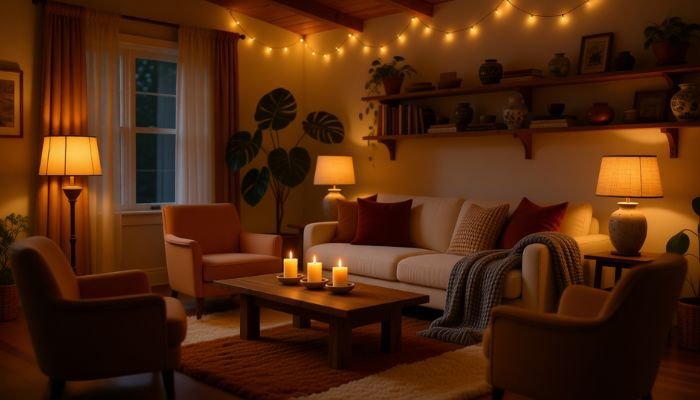
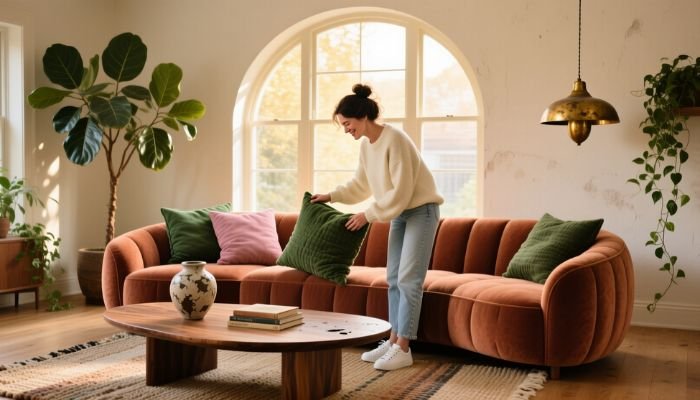
When it comes to creating a living space that feels both inviting and visually captivating, combining textures and fabrics decorates the living room in ways that paint colors alone simply cannot achieve. The interplay between smooth and rough surfaces, the contrast of lightweight linens against heavy velvets, and the careful layering of different materials create depth and personality that transform an ordinary room into an extraordinary sanctuary. Moreover, understanding how to mix these elements properly can elevate your interior design game without requiring a complete renovation or breaking your budget.
Throughout this comprehensive guide, we’ll explore how combining textures and fabrics decorates the living room while providing you with actionable strategies that you can implement immediately. Whether you’re starting from scratch or refreshing your current space, these insights will help you create a harmonious environment that reflects your personal style. In addition, we’ll discuss common mistakes to avoid and share professional secrets that interior designers use to achieve that coveted magazine-worthy look.

Understanding the Foundation of Texture Layering
Before diving into specific techniques, it’s essential to grasp what texture truly means in interior design. Essentially, texture refers to how a surface feels or appears to feel, encompassing both tactile and visual qualities. For instance, a chunky knit throw blanket offers a cozy tactile experience, while a silk cushion provides visual smoothness that catches light beautifully. Consequently, combining textures and fabrics decorates the living room by engaging multiple senses simultaneously, creating a richer sensory experience.
The foundation of successful texture layering starts with identifying your room’s existing elements. Take inventory of permanent fixtures like flooring, wall treatments, and architectural details. Hardwood floors provide a smooth, natural texture, whereas textured wallpaper or exposed brick introduces visual interest. Subsequently, your fabric choices should complement rather than compete with these fixed elements. Consider the overall mood you’re aiming to create—cozy and intimate, sleek and modern, or eclectic and bohemian—as this will guide your texture selection process throughout your design journey.
Selecting Your Base Fabrics Wisely
Your larger furniture pieces typically feature base fabrics that set the tone for the entire room. Therefore, sofas and armchairs deserve careful consideration when combining textures and fabrics decorates the living room. Neutral, durable fabrics like linen, cotton blends, or performance fabrics work exceptionally well for these foundational pieces. Meanwhile, these materials provide a versatile backdrop that allows you to experiment with bolder textures in accent pieces without overwhelming the space.
Key considerations for base fabrics:
- Durability and maintenance requirements for high-traffic areas
- Color fastness and resistance to fading from sunlight exposure
- Texture weight that complements your room’s scale
- Seasonal adaptability for year-round comfort
- Pet-friendly and stain-resistant properties when necessary
Furthermore, think about the lifestyle factors that influence your fabric choices. Households with children or pets benefit from tightly woven, stain-resistant materials, while child-free spaces might accommodate more delicate options like velvet or suede. Additionally, consider how natural light affects fabric appearance throughout the day, as certain textures reveal different characteristics depending on lighting conditions.
Layering Throw Pillows for Maximum Impact
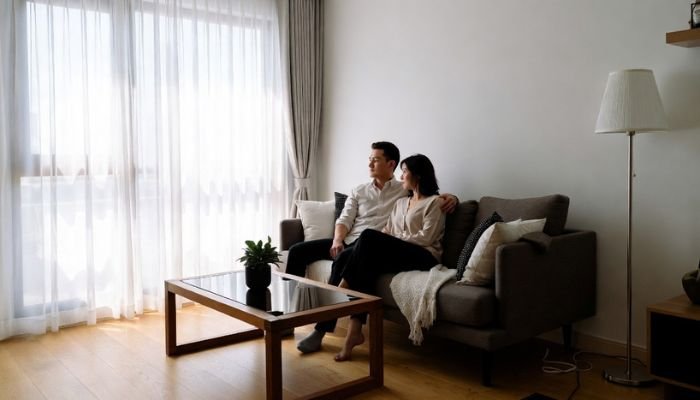
Throw pillows represent one of the easiest and most affordable ways to master the art of combining textures and fabrics decorates the living room. Indeed, pillows offer endless opportunities for experimentation without permanent commitment. Start with different sizes—typically ranging from 18 to 24 inches—and mix at least three distinct textures across five to seven pillows for a curated, designer look that feels intentionally styled rather than randomly assembled.
Begin with a large pillow in a solid, substantial fabric like linen or cotton at each end of your sofa. Next, layer in medium-sized pillows featuring interesting textures such as chunky weaves, embroidered details, or nubby bouclé. Finally, add smaller accent pillows in luxurious materials like velvet, silk, or faux fur for visual and tactile contrast. However, avoid using too many competing patterns; instead, focus on texture variation within a cohesive color palette to maintain visual harmony while creating depth and dimension.
Additionally, don’t shy away from mixing fabric weights. Pairing heavy, structured pillows with softer, more pliable options creates dynamic visual interest. Similarly, consider the interplay between matte and shiny finishes—a matte linen pillow beside a lustrous silk cushion creates subtle sophistication that elevates the entire seating area.
Strategic Rug Selection and Placement
Rugs provide another crucial layer when combining textures and fabrics decorates the living room, anchoring furniture arrangements while introducing significant textural interest underfoot. Beyond their practical function, rugs define zones within open-plan spaces and contribute substantially to the room’s overall aesthetic. Consequently, selecting the right rug involves considering both texture and material composition carefully.
Natural fiber rugs like jute, sisal, or seagrass introduce organic, earthy textures that pair beautifully with modern and traditional interiors alike. Conversely, plush wool or synthetic pile rugs offer softness underfoot, creating cozy comfort in conversation areas. Layering rugs—placing a smaller, more decorative rug atop a larger, neutral one—adds unexpected dimension and visual complexity that interior designers frequently employ for high-end looks.
When positioning rugs, ensure all furniture front legs rest on the rug surface, creating a cohesive grouping. This arrangement visually unifies seating areas while allowing the rug’s texture to shine through. Moreover, consider rug height variations throughout the room; pairing a low-pile rug in the main seating area with a higher-pile accent rug near a reading nook creates textural dialogue between different zones.
Window Treatment Combinations That Elevate
Window treatments offer tremendous opportunity for combining textures and fabrics decorates the living room while serving practical purposes like light control and privacy. Furthermore, layering different fabric types at windows creates architectural interest and allows functional flexibility throughout the day. Start with functional base layers—such as cellular shades or roller blinds—then add decorative fabric layers that introduce texture and style.
Effective window treatment combinations include:
- Sheer linen curtains layered over blackout roller shades
- Heavy velvet drapes paired with light-filtering cellular blinds
- Textured roman shades combined with flowing side panels
- Woven wood blinds complemented by soft cotton drapery
- Silk curtains layered with bamboo shades for mixed materials
Pay attention to hardware finishes and rod styles, as these details contribute to the overall textural story. Matte black rods create modern contrast, while brushed brass or aged bronze introduces warmth and vintage appeal. Additionally, consider curtain heading styles—grommet tops offer casual simplicity, whereas pinch pleats provide traditional elegance—as these details affect how fabric drapes and creates shadow lines.
Incorporating Upholstery Variety Across Seating
While matching furniture sets remain popular, mixing upholstery textures across different seating pieces creates more sophisticated, collected looks when combining textures and fabrics decorates the living room. For example, pair a leather sofa with fabric armchairs, or combine a velvet loveseat with a linen sectional. This approach prevents the space from feeling too uniform or showroom-like, instead cultivating personality and visual intrigue.
When mixing upholstery, maintain cohesion through color relationships rather than exact matches. Analogous colors—those adjacent on the color wheel—work harmoniously even across different textures. Similarly, varying shades of the same color family creates subtle sophistication. Remember that leather patinas over time, developing character that complements rather than competes with fabric pieces. Additionally, consider how different upholstery textures respond to use; some develop charming wear patterns while others maintain pristine appearances longer.
Don’t overlook occasional seating like ottomans, poufs, and benches when planning your upholstery strategy. These pieces present perfect opportunities for introducing bold textural statements—a Moroccan leather pouf, a tufted velvet ottoman, or a cowhide bench—that complement larger furniture without overwhelming the space.
Textile Art and Wall Hangings
Textiles aren’t confined to furniture and floors; wall-mounted fabric elements powerfully contribute when combining textures and fabrics decorates the living room. Tapestries, macramé hangings, woven wall art, and even framed textile pieces introduce unexpected textural dimension to vertical surfaces. Consequently, these elements soften hard architectural lines while adding warmth that paint alone cannot achieve.
Consider scale when selecting wall textiles. Large-scale pieces make bold statements above sofas or in dining areas, while smaller woven pieces work beautifully in gallery wall arrangements. Furthermore, mixing textile art with traditional framed artwork creates engaging visual variety that guides the eye around the room. Natural fiber pieces like jute or cotton macramé pair particularly well with modern minimalist spaces, adding organic warmth without visual clutter.
For those interested in exploring handcrafted textile options, visiting Brazilian design marketplaces reveals beautiful artisan work that brings cultural richness and authentic texture to contemporary interiors. These unique pieces tell stories while introducing unparalleled craftsmanship into your living space.
Blankets and Throws as Functional Decor
Strategically placed blankets and throws serve double duty when combining textures and fabrics decorates the living room, providing both practical warmth and decorative appeal. Rather than folding throws neatly over sofa backs—which can appear staged—drape them casually over armrests or layer them in decorative baskets for accessible, lived-in elegance. This approach maintains the room’s welcoming atmosphere while keeping these comfort pieces readily available.
Mix throw weights and textures seasonally. Heavy wool or faux fur throws create cozy winter ambiance, while lightweight cotton or linen options suit warmer months. Additionally, consider weave patterns—chunky cable knits, waffle weaves, and herringbone patterns each contribute distinct textural signatures. Fringe, tassels, or pom-pom details add playful finishing touches that enhance visual interest without requiring additional pieces.
Store extra throws in woven baskets or decorative ladders that themselves introduce texture. These storage solutions become design elements rather than afterthoughts, maintaining the room’s cohesive aesthetic while keeping comfort essentials accessible. Moreover, rotating throws seasonally refreshes the space’s look without major investment or effort.
Balancing Smooth and Rough Textures
Successful texture mixing requires understanding balance—specifically, the relationship between smooth and rough elements when combining textures and fabrics decorates the living room. Too many rough textures create visual chaos and tactile discomfort, while excessive smoothness feels sterile and uninviting. Therefore, aim for approximately 60-40 distribution, with the majority consisting of comfortable, moderate textures and the minority comprising bold textural statements.
Smooth textures include silk, satin, polished leather, and sleek cotton. These materials reflect light, making spaces feel larger and more refined. Conversely, rough textures—burlap, raw linen, chunky knits, and distressed leather—absorb light, creating cozy intimacy and visual weight. Pairing these opposites creates dynamic tension that keeps the eye engaged while maintaining comfort.
Consider touchpoints throughout the room. High-touch areas like sofa cushions and throw pillows benefit from pleasant tactile experiences, while visual textures on walls or high shelves contribute aesthetically without requiring physical interaction. This strategic placement ensures your textural choices enhance both the room’s appearance and functionality.
Common Mistakes to Avoid
Even experienced decorators sometimes struggle when combining textures and fabrics decorates the living room. One frequent error involves mixing too many bold patterns alongside varied textures, creating overwhelming visual noise. Instead, let texture provide interest while keeping patterns minimal and coordinated. Another mistake includes neglecting scale—tiny textures in large rooms disappear, while oversized textures in small spaces feel oppressive.
Additional pitfalls to avoid:
- Using identical textures throughout, creating monotony
- Ignoring existing architectural textures when selecting fabrics
- Forgetting practical considerations like washability and durability
- Matching everything exactly rather than creating intentional variety
- Overlooking lighting effects on different fabric finishes
Furthermore, many people underestimate texture’s impact on perceived temperature. Heavy velvets and thick wools create psychological warmth even in climate-controlled environments, while linens and cottons feel cooler. Adjust your textural balance seasonally or choose versatile mid-weight fabrics that work year-round if frequent changes aren’t practical for your lifestyle.
Maintaining Your Textured Living Space
Once you’ve successfully achieved beautiful texture layering, proper maintenance ensures longevity when combining textures and fabrics decorates the living room. Different materials require different care approaches, so familiarize yourself with cleaning codes typically found on furniture tags. “W” indicates water-based cleaning, “S” requires solvent-based cleaners, “WS” accepts either method, and “X” demands professional cleaning only.
Vacuum upholstered furniture weekly using appropriate attachments to prevent dust accumulation in fabric textures. Rotate cushions regularly to ensure even wear patterns, and address spills immediately according to manufacturer guidelines. For delicate fabrics like silk or velvet, professional cleaning maintains appearance and extends lifespan, making this investment worthwhile for high-quality pieces.
Protect fabrics from direct sunlight, which causes fading and deterioration over time. Use window treatments strategically during peak sun hours, or apply UV-protective window film to preserve your carefully curated textures. Additionally, consider fabric protection treatments for high-use pieces, creating invisible barriers against stains while maintaining the original texture and appearance.
Ready to transform your living space? Browse through our site to discover more interior design inspiration, detailed tutorials, and product recommendations that help you create the home of your dreams. Explore our extensive collection of design guides covering everything from color theory to furniture arrangement strategies!
For additional Brazilian interior design inspiration and local artisan resources, check out Casa Vogue Brasil, which showcases stunning residential projects and emerging design trends.
Frequently Asked Questions
How many different textures should I use in one living room? Aim for 5-7 distinct textures throughout the space. This provides sufficient variety without creating visual confusion, allowing each texture to contribute meaningfully to the overall design.
Can I mix modern and traditional fabrics in the same room? Absolutely! Mixing style periods creates depth and personality. The key is maintaining a cohesive color palette that unifies different textural and stylistic elements.
What’s the best way to introduce texture on a tight budget? Start with throw pillows, blankets, and small accent pieces. These affordable items deliver significant textural impact without major investment, and they’re easily changeable as your style evolves.
How do I know if I’ve added too much texture? If the room feels visually exhausting or you can’t identify a focal point, you’ve likely overdone it. Remove a few elements and reassess until the space feels balanced and intentional.
Should textures match across connected open-plan spaces? Maintain some textural continuity for flow, but each zone can feature its own textural emphasis. Use one or two consistent textures as anchors while varying others by area.
What textures are you most excited to try in your living room? Share your favorite fabric combinations in the comments below—we’d love to hear about your design adventures and answer any questions you might have!