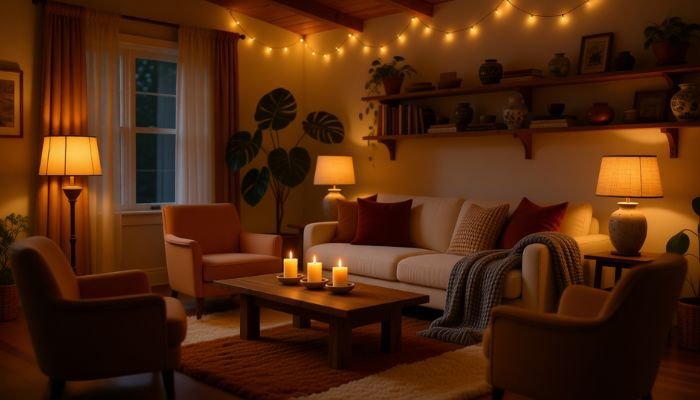
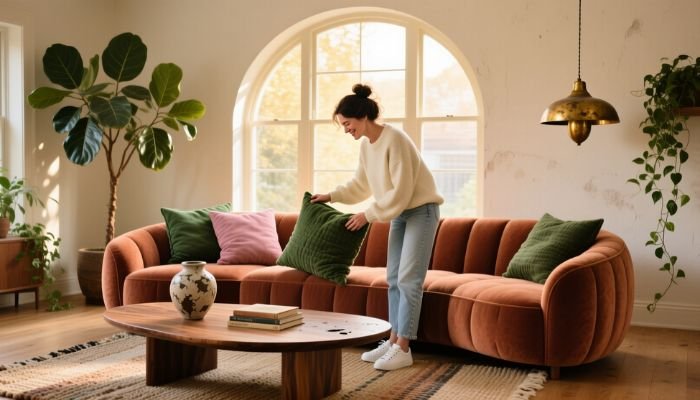
Lighting can make or break the atmosphere in your living room. Furthermore, it’s one of the most overlooked aspects of interior design, yet it has the power to transform a dull space into a warm, inviting sanctuary. When you’re searching for the best lighting ideas for living rooms, you’re not just looking for fixtures—you’re seeking ways to create mood, highlight architectural features, and make your space functional for everything from movie nights to hosting dinner parties.
In fact, the right lighting strategy involves layering different types of illumination to achieve balance and versatility. Additionally, understanding how ceiling lamps, floor lights, and ambient glow work together will help you craft a living room that adapts to your lifestyle. Therefore, this comprehensive guide will walk you through practical, detailed approaches to lighting your living room like a design professional.
Understanding the Three Essential Layers of Living Room Lighting
Before diving into specific fixtures, it’s crucial to grasp the foundational concept of layered lighting. Consequently, professional designers always incorporate three distinct layers: ambient, task, and accent lighting. Each layer serves a unique purpose, and together they create depth and functionality.
Ambient lighting provides overall illumination for the room. Moreover, this is typically your primary light source, such as ceiling fixtures or recessed lighting. However, relying solely on overhead lighting creates a flat, uninspiring atmosphere. Task lighting, on the other hand, focuses on specific areas where activities occur—reading nooks, workspaces, or game tables. Finally, accent lighting adds drama by highlighting artwork, architectural details, or decorative elements.
The best lighting ideas for living rooms always incorporate all three layers. Nevertheless, the proportion of each layer depends on your room’s size, natural light availability, and how you use the space. As a result, flexibility becomes key to creating a truly versatile living environment.
Ceiling Fixtures That Make a Statement Without Overwhelming
Your ceiling fixture often serves as the room’s focal point. Therefore, choosing the right one requires balancing aesthetics with functionality. Chandeliers, for instance, work beautifully in living rooms with high ceilings, adding elegance and visual interest. Meanwhile, flush-mount or semi-flush fixtures suit rooms with lower ceilings, providing ample light without crowding the space.
When selecting ceiling lamps, consider the scale carefully. A fixture that’s too small disappears visually, while an oversized piece can overwhelm. Generally, add your room’s length and width in feet, then convert that number to inches—that’s your ideal chandelier diameter. For example, a 12-foot by 14-foot room works well with a 26-inch fixture.
Additionally, dimmer switches are non-negotiable for ceiling lights. They allow you to adjust brightness levels throughout the day, transitioning from bright task lighting during the day to softer ambient glow in the evening. Installing dimmers is one of the simplest yet most impactful best lighting ideas for living rooms that dramatically improves versatility.
Floor Lamps and Table Lamps for Flexible Illumination

Portable lighting offers unmatched flexibility in living room design. Furthermore, floor lamps and table lamps can be repositioned as your needs change, making them ideal for renters or anyone who enjoys refreshing their space periodically. Arc floor lamps, in particular, have become increasingly popular because they provide overhead lighting without requiring ceiling installation.
Position floor lamps strategically near seating areas to create intimate reading zones. Similarly, place table lamps on end tables or consoles to add ambient warmth at eye level. The key is varying heights—combining tall floor lamps with shorter table lamps creates visual rhythm and prevents monotony.
When shopping for portable lighting, pay attention to shade materials. Consequently, fabric shades diffuse light softly, creating a warm glow, while metal or opaque shades direct light downward for focused task illumination. Moreover, consider bulb temperature: warm white (2700-3000K) bulbs create cozy atmospheres, whereas cool white (3500-4100K) bulbs work better for task-oriented areas.
Key considerations for portable lighting:
- Choose three-way bulbs for adjustable brightness levels
- Ensure lamp height allows light to fall comfortably for reading
- Mix different lamp styles to add visual interest
- Use timers or smart plugs for automated lighting schedules
- Consider battery-operated options for spaces without nearby outlets
Creating Ambient Glow with LED Strip Lights and Recessed Lighting
Ambient lighting doesn’t always need to come from traditional fixtures. In fact, LED strip lights have revolutionized how we approach best lighting ideas for living rooms. These versatile strips can be installed behind crown molding, under furniture, or along architectural features to create soft, indirect illumination that adds depth without harsh shadows.
Recessed lighting, meanwhile, provides clean, modern ambient light that disappears into the ceiling. However, placement matters enormously. Space recessed lights approximately 4-6 feet apart and position them 2-3 feet from walls to avoid creating harsh shadows. Additionally, choose adjustable trims that allow you to angle light toward walls or artwork.
Cove lighting represents another sophisticated approach to ambient illumination. By installing LED strips in recesses near the ceiling, you create an upward wash of light that bounces off the ceiling and fills the room with soft, diffused glow. This technique works exceptionally well in rooms with tray ceilings or architectural details worth highlighting.
Wall Sconces and Accent Lighting for Architectural Drama
Wall sconces add dimension and sophistication while freeing up surface space. Furthermore, they provide excellent ambient lighting at a comfortable height, reducing eye strain compared to overhead fixtures alone. Install sconces flanking artwork, mirrors, or architectural features to create balanced illumination and visual symmetry.
Accent lighting transforms ordinary rooms into gallery-like spaces. Picture lights mounted above artwork, track lighting highlighting collections, or uplights emphasizing plant arrangements all contribute to this layer. As a result, your living room gains depth and personality beyond basic illumination.
When implementing accent lighting, remember the rule of contrast. Consequently, accent lights should be approximately three times brighter than ambient lighting to effectively draw attention. Moreover, use narrow beam angles (15-30 degrees) to create dramatic spotlighting effects that make features pop.
Effective accent lighting strategies:
- Install picture lights 6-12 inches above artwork for optimal illumination
- Use uplights in corners to create height and dimension
- Highlight textured walls with grazing light positioned close to the surface
- Add LED puck lights inside glass-front cabinets or shelving units
- Consider color-changing smart bulbs for versatile accent options
Natural Light Integration and Window Treatment Strategies
Natural light remains the most flattering and energy-efficient illumination source. Therefore, maximizing daylight should be your first consideration when planning best lighting ideas for living rooms. Assess your windows’ orientation—south-facing windows receive the most consistent light, while north-facing windows provide softer, more diffused illumination.
Window treatments play a crucial role in controlling natural light. Sheer curtains diffuse harsh sunlight while maintaining privacy, whereas blackout options give you complete control for movie watching or daytime sleeping. Layering different treatments—combining sheers with heavier drapes—offers maximum flexibility throughout the day.
Mirrors strategically placed opposite or adjacent to windows amplify natural light by reflecting it deeper into the room. Similarly, light-colored walls and furnishings bounce light around more effectively than dark surfaces. However, don’t feel pressured to keep everything light—dark accent walls can actually make lighter areas appear brighter by contrast.
Smart Lighting Technology for Ultimate Control and Convenience
Smart lighting systems have transformed how we interact with home illumination. Additionally, they offer unprecedented control over ambiance, energy consumption, and convenience. Systems like Philips Hue, LIFX, or Lutron Caséta allow you to control lights via smartphone apps, voice commands, or automated schedules.
Creating lighting scenes represents one of smart technology’s most valuable features. Consequently, you can program different combinations of lights for various activities—”Movie Night” might dim all lights except soft accent lighting, while “Entertaining” could brighten the entire space. Moreover, these scenes activate with a single command, eliminating the need to adjust multiple switches.
Circadian lighting, which adjusts color temperature throughout the day, represents another compelling smart lighting application. As a result, your lights automatically shift from energizing cool tones in the morning to warm, relaxing hues in the evening, supporting your natural sleep-wake cycle. This subtle adjustment can significantly impact your wellbeing and sleep quality.
Budget-Friendly Lighting Solutions That Don’t Compromise Style
Implementing best lighting ideas for living rooms doesn’t require breaking the bank. Furthermore, strategic spending combined with DIY approaches can achieve professional results on modest budgets. Start by prioritizing investment pieces—your main ceiling fixture and one or two quality floor lamps—then fill gaps with affordable options.
Thrift stores and online marketplaces offer incredible opportunities for finding vintage or second-hand fixtures with character. Meanwhile, simple updates like rewiring and new shades can transform dated pieces into custom lighting that looks expensive. Similarly, painting existing fixtures in on-trend finishes like matte black or brushed brass costs minimal money but delivers maximum impact.
LED bulbs, though initially more expensive than incandescent, pay for themselves quickly through energy savings and longevity. Additionally, they produce less heat, making them safer and more comfortable. When choosing LEDs, check the Color Rendering Index (CRI)—values above 90 render colors most accurately, important for living spaces where you want true-to-life appearance.
For more inspiration on creating beautiful living spaces on any budget, visit Apartment Therapy for countless design ideas and practical solutions.
Common Lighting Mistakes and How to Avoid Them
Even with the best lighting ideas for living rooms, certain mistakes can undermine your efforts. Firstly, relying exclusively on overhead lighting creates harsh shadows and unflattering illumination. Instead, distribute light sources at various heights throughout the room for balanced coverage.
Another frequent error involves choosing fixtures based solely on appearance without considering light quality or direction. Consequently, beautiful fixtures may provide inadequate or unflattering illumination. Always test light output and direction before committing to expensive pieces, or ensure return policies allow exchanges if the lighting doesn’t meet expectations.
Ignoring dimmer controls represents a significant missed opportunity. Therefore, even budget-conscious projects should include dimmers on major light sources. This single addition multiplies your lighting’s versatility exponentially, allowing one fixture to serve multiple purposes throughout the day.
Lighting mistakes to avoid:
- Installing all lights on a single switch without separate controls
- Positioning lights that create glare on television or computer screens
- Overlooking the importance of proper bulb color temperature consistency
- Forgetting to clean light fixtures regularly, reducing their effectiveness
- Choosing trendy fixtures that may quickly feel dated instead of timeless designs
Ready to transform your living space? Browse through our site for more detailed guides on interior design, furniture selection, and home improvement projects that will help you create the home of your dreams. Explore our extensive collection of articles and discover solutions tailored to your unique style and needs.
Frequently Asked Questions
What is the ideal number of light sources for a living room? Most living rooms benefit from 5-8 light sources distributed across ambient, task, and accent layers. This provides adequate coverage and flexibility for different activities and moods throughout the day.
Should all living room lights match in style? No, mixing styles adds visual interest. However, maintain cohesion through consistent finishes (all brass, all black, etc.) or complementary design periods to avoid a disjointed appearance.
How bright should living room lighting be? Aim for 1,500-3,000 lumens total for ambient lighting, adjustable via dimmers. Task areas need 400-800 lumens, while accent lighting should be approximately three times brighter than ambient levels in focused areas.
Can you over-light a living room? Yes, too much lighting creates glare, washes out color, and prevents creating intimate atmospheres. The solution is installing dimmers and using multiple switches to control different zones independently.
What’s the best lighting for watching television? Soft, indirect lighting positioned behind or to the sides of the television reduces eye strain without creating screen glare. Avoid bright overhead lights or lamps positioned to reflect on the screen.