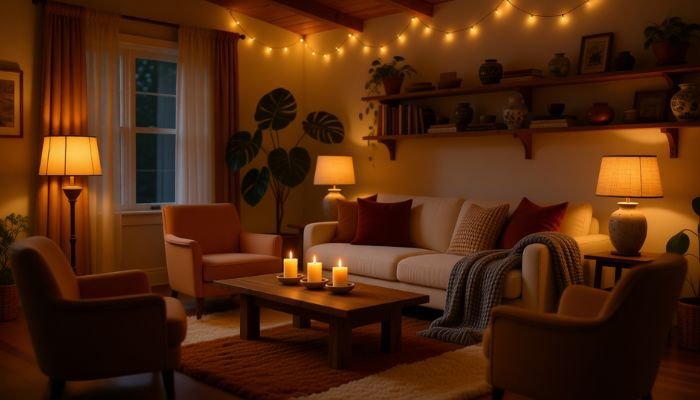
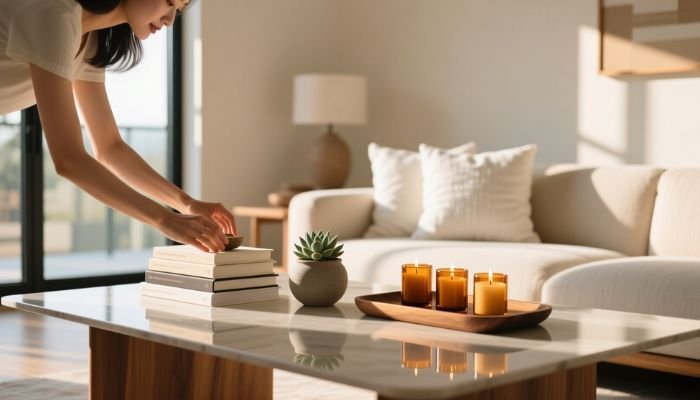
Your living room is more than just a space—it’s the heart of your home where memories unfold and comfort reigns supreme. As we navigate through 2025, the landscape of interior design continues to evolve, bringing fresh perspectives on how we utilize and decorate our most cherished gathering spaces. Living Room Trends 2025 reflect a fascinating blend of sustainability, technology integration, and a return to personalized comfort that speaks volumes about our changing lifestyles.
Understanding what’s currently shaping modern living room design helps you make informed decisions about refreshing your space. Moreover, knowing which trends are fading allows you to avoid investments that might feel dated quickly. This comprehensive guide explores the Living Room Trends 2025 that are transforming homes across the country, offering practical insights you can implement regardless of your budget or space constraints.
Sustainable Materials Take Center Stage
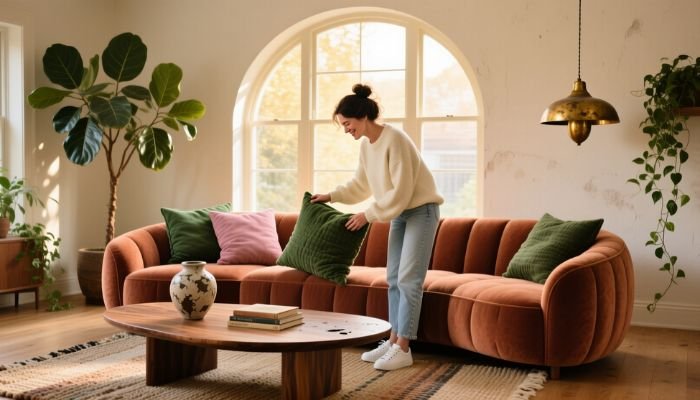
Sustainability isn’t just a buzzword anymore—it’s become a fundamental principle in contemporary interior design. Living Room Trends 2025 emphasize eco-conscious choices that don’t compromise on style or durability. Homeowners are increasingly selecting furniture crafted from reclaimed wood, recycled metals, and organic textiles that minimize environmental impact while maximizing aesthetic appeal.
Natural materials like rattan, bamboo, and cork are experiencing a remarkable renaissance. These renewable resources bring warmth and texture to living spaces while supporting environmental responsibility. Furthermore, vintage and second-hand furniture pieces are being celebrated rather than hidden, with many designers actively incorporating antique finds into modern schemes. The National Association of Home Builders (https://www.nahb.org) provides excellent resources on sustainable building materials that extend to interior applications.
What’s Out: Fast furniture made from particle board and synthetic materials that off-gas harmful chemicals is rapidly losing favor. Similarly, the disposable furniture mentality that encourages replacing pieces every few years is being rejected in favor of investment pieces built to last generations.
Curved Furniture and Organic Shapes Dominate
The rigid, angular furniture that dominated previous decades is giving way to softer, more organic forms. Living Room Trends 2025 showcase curved sofas, rounded coffee tables, and sculptural chairs that create a sense of flow and comfort. These pieces aren’t just visually appealing—they’re psychologically comforting, offering a gentle counterpoint to the sharp edges of modern life.
Curved sectionals are particularly popular, providing ample seating while creating natural conversation areas. Additionally, kidney-shaped coffee tables and oval ottomans add visual interest without the harsh corners that can feel unwelcoming. This trend extends beyond furniture to architectural elements, with arched doorways and rounded alcoves becoming desirable features.
What’s Out: Boxy, ultra-minimalist furniture with severe lines feels increasingly cold and uninviting. The sterile, gallery-like living rooms that prioritize form over function are being replaced by spaces that embrace comfort and personality. Consequently, homeowners are moving away from matching furniture sets that feel impersonal and corporate.
Maximalist Color Palettes Return With Intention
After years of beige and gray domination, Living Room Trends 2025 embrace color with enthusiasm and purpose. Rich jewel tones like emerald green, sapphire blue, and deep burgundy are making bold statements on accent walls and upholstery. However, this isn’t random color explosion—it’s thoughtful maximalism that layers hues strategically for cohesive impact.
Terracotta and warm earth tones are particularly trendy, bringing grounding energy to contemporary spaces. These colors pair beautifully with natural materials and create inviting atmospheres perfect for relaxation. Meanwhile, unexpected color combinations—like dusty pink with forest green or mustard yellow with navy—are challenging traditional design rules in refreshing ways.
What’s Out: The all-white or all-gray living room has lost its appeal for many homeowners who find these palettes cold and sterile. Similarly, the fear of color that kept people playing it safe is dissipating as confidence in personal style grows. Monochromatic schemes that lack depth and personality feel increasingly dated.
Smart Technology Integration Becomes Invisible
Technology continues advancing rapidly, yet Living Room Trends 2025 favor seamless integration over conspicuous gadgetry. The goal is creating tech-enhanced spaces where functionality doesn’t compromise aesthetics. Hidden charging stations, disguised speakers, and motorized window treatments represent this shift toward invisible smart home features.
Voice-activated lighting systems and climate control allow homeowners to adjust ambiance without cluttering surfaces with remotes and controllers. Furthermore, entertainment systems are being cleverly concealed behind sliding panels or incorporated into cabinetry that complements the room’s design. The Consumer Technology Association (https://www.cta.tech) offers insights into emerging home technology trends that balance innovation with design sensitivity.
What’s Out: Bulky entertainment centers and visible cable management systems are rapidly becoming obsolete. The once-coveted massive flat-screen TV as a focal point is being reconsidered, with many homeowners opting for projector systems or frame-style televisions that blend with wall art when not in use.
Multifunctional Spaces for Modern Living
As remote work and flexible lifestyles continue shaping how we use our homes, Living Room Trends 2025 emphasize versatility and adaptability. Living rooms are transforming into multipurpose zones that accommodate work, exercise, entertainment, and relaxation without feeling cluttered or chaotic. This requires thoughtful furniture selection and spatial planning.
Modular furniture systems allow easy reconfiguration based on daily needs. For instance, ottomans with hidden storage can serve as coffee tables, footrests, or extra seating when guests arrive. Additionally, fold-away desks and Murphy beds are being incorporated into living room designs, maximizing functionality in smaller homes or apartments.
What’s Out: Single-purpose furniture that can’t adapt to changing needs feels increasingly impractical. The formal living room that nobody actually uses is being eliminated in favor of spaces that serve real lifestyle requirements. Consequently, furniture arrangements that prioritize television viewing above all other activities are being reconsidered.
Biophilic Design Brings Nature Indoors
The connection between nature and wellbeing is undeniable, and Living Room Trends 2025 reflect this understanding through biophilic design principles. Incorporating plants, natural light, and organic elements creates living spaces that reduce stress and improve air quality. This goes beyond simply adding a potted plant—it’s about creating genuine connections with the natural world.
Large windows that maximize natural light are highly desirable, as are living walls covered in lush greenery. Moreover, natural wood finishes left unstained or lightly treated showcase the beauty of grain patterns and organic imperfections. Water features, even small tabletop fountains, add soothing ambient sound that enhances relaxation.
What’s Out: Artificial plants that collect dust and fool nobody are losing their place in thoughtful design. Similarly, heavy window treatments that block natural light are being replaced with lighter options that filter rather than eliminate sunshine. The disconnect from nature that characterized many modern interiors is being actively reversed.
Textural Layering Creates Depth and Interest
Living Room Trends 2025 embrace tactile richness through strategic layering of diverse textures. This approach adds visual depth and invites physical interaction with your space. Combining smooth leather with chunky knit throws, sleek marble with rough-hewn wood, or polished metals with organic fibers creates dynamic environments that engage multiple senses.
Bouclé fabric has emerged as a particular favorite for upholstery, offering sophisticated texture without overwhelming patterns. Additionally, textured wall treatments like limewash or venetian plaster provide subtle interest that paint alone cannot achieve. Layered rugs—a smaller accent rug over a larger neutral base—add warmth and define zones within open-plan spaces.
What’s Out: Flat, one-dimensional spaces that rely solely on color for interest feel increasingly boring. The matchy-matchy approach where everything shares the same finish or texture creates monotonous environments. Likewise, overly shiny or glossy surfaces that feel cold and impersonal are being replaced with materials that invite touch.
Personalized Art Collections Replace Generic Decor
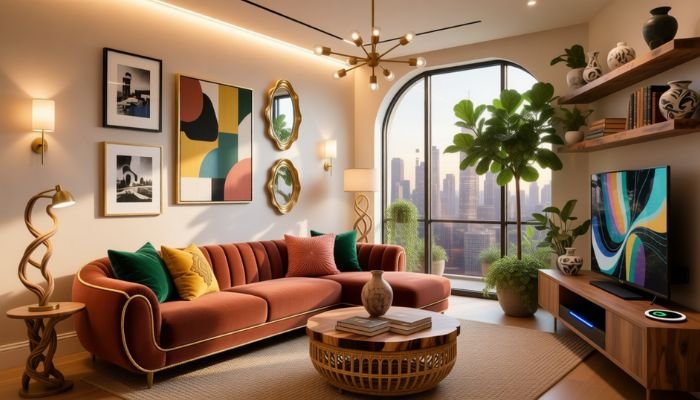
Mass-produced wall art from big-box retailers is giving way to curated collections that reflect individual personalities and experiences. Living Room Trends 2025 celebrate gallery walls featuring mixed media—family photographs alongside original artwork, travel souvenirs displayed intentionally, and pieces collected over time rather than purchased all at once.
Supporting local artists and artisans has become increasingly important to conscious consumers. Original paintings, handcrafted ceramics, and unique sculptures add character impossible to replicate with manufactured decor. Furthermore, rotating artwork seasonally or as interests evolve keeps spaces feeling fresh without major renovations.
What’s Out: Generic inspirational quotes in basic fonts feel tired and impersonal. The “Live, Laugh, Love” aesthetic that dominated past years has lost its appeal for homeowners seeking authenticity. Similarly, mass-produced canvas prints of oversized flowers or beaches offer nothing unique to your space.
Statement Lighting as Functional Art
Lighting has evolved from purely functional necessity to sculptural focal points in contemporary interiors. Living Room Trends 2025 feature dramatic fixtures that serve as conversation pieces while illuminating spaces effectively. Oversized pendant lights, artistic floor lamps, and chandeliers with unexpected materials create visual interest even when not illuminated.
Layered lighting schemes incorporating ambient, task, and accent lighting provide flexibility for different activities and moods. Dimmers allow precise control over atmosphere, while smart bulbs offer color temperature adjustments that support circadian rhythms. The Illuminating Engineering Society (https://www.ies.org) provides technical resources for optimal residential lighting design.
What’s Out: Builder-grade recessed lighting as the sole light source creates flat, uninspiring environments. Matching bedroom-style table lamps flanking sofas feel formulaic and dated. The overhead ceiling fan with attached light fixture—while sometimes practical—rarely contributes to sophisticated design aesthetics.
Comfort Reigns Supreme Over Formal Aesthetics
Perhaps the most significant shift in Living Room Trends 2025 is the prioritization of genuine comfort over appearances. Stiff, uncomfortable furniture chosen solely for looks is being replaced with pieces that invite lounging and actual use. Deep-seated sofas with generous cushions, oversized throw pillows, and soft blankets create inviting environments where people want to spend time.
This doesn’t mean sacrificing style—it means finding beautiful pieces that also function well for your lifestyle. Washable slipcovers, durable performance fabrics, and furniture scaled appropriately for your space all contribute to comfortable, livable rooms. Ultimately, a living room should enhance your daily life rather than serve as an untouchable showpiece.
What’s Out: The Pinterest-perfect living room that’s too precious to actually live in is losing relevance. White sofas in homes with children or pets reflect impractical design choices that create stress rather than relaxation. Form-over-function furniture that looks impressive but serves no real purpose is being eliminated from thoughtful spaces.
Frequently Asked Questions
Q: How can I incorporate Living Room Trends 2025 on a budget?
Start with affordable updates like new throw pillows, blankets, and a statement rug. Rearranging furniture and decluttering can also refresh your space at no cost.
Q: Are open-concept living rooms still popular in 2025?
Yes, but the focus has shifted to creating defined zones. Rugs, lighting, and furniture placement help separate areas while maintaining openness and comfort.
Q: What colors work best for small living rooms?
Warm earth tones and rich jewel shades make small rooms feel cozy and intentional, avoiding the sterile look of all-white spaces.
Q: How do I mix modern trends with traditional furniture?
Use bridging pieces that share elements of both styles. A curved modern sofa can work beautifully with classic wood pieces when tied together by color or texture.
Q: Are accent walls still trendy?
Absolutely. Accent walls now include textured finishes, bold wallpapers, or fabric panels for added depth and sophistication.
Which 2025 living room trend speaks to you most—bold colors, cozy textures, or statement furniture? Share your ideas and experiences in the comments and explore more decorating inspiration in our design guides.