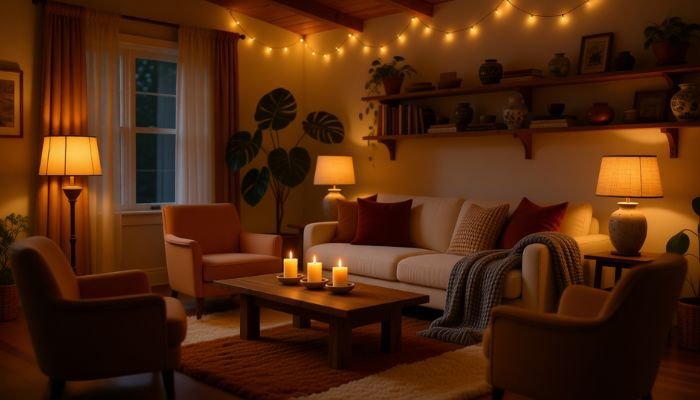
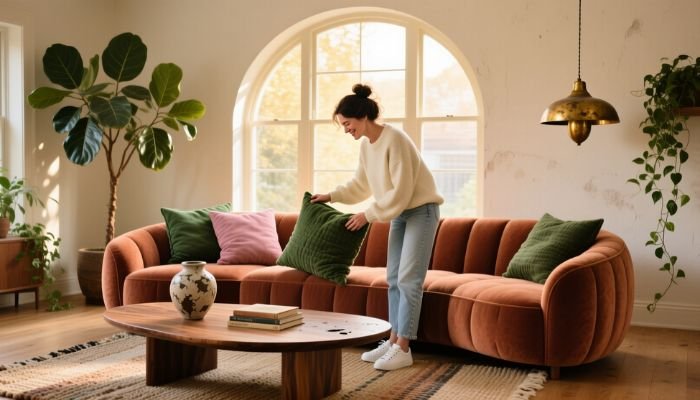
Living in a compact space doesn’t mean sacrificing comfort or style. Increasingly, many people find themselves navigating the challenges of small apartments, studios, and cozy homes. For this reason, mastering small living room layouts has become an essential skill for modern homeowners. In fact, strategic furniture placement can completely transform how your space feels and functions.
Moreover, the right approach to organizing your living area makes all the difference between cramped and cleverly designed. Throughout this guide, we’ll explore practical solutions that actually work for small living room layouts, helping you maximize every square foot.

Understanding Your Space: The Foundation of Effective Small Living Room Layouts
Before diving into furniture selection, you need to genuinely understand what you’re working with. Consequently, start by measuring your room dimensions and noting architectural features like windows, doors, and outlets. Additionally, consider natural light sources and traffic patterns—these elements significantly influence how people move through your space. To clarify, small living room layouts thrive when they account for these practical considerations.
Furthermore, understanding your room’s unique characteristics allows you to make informed decisions. Essentially, take time to observe how sunlight enters throughout the day and where you naturally walk when entering. As a result, this foundation sets the stage for successful furniture arrangement that enhances both functionality and aesthetics.
Strategic Furniture Placement for Small Living Room Layouts
The secret to successful small living room layouts lies in intentional furniture placement. To begin with, avoid pushing all your furniture against walls—this counterintuitively makes spaces feel smaller. Instead, create a focal point, whether that’s a fireplace, window, or entertainment center. Subsequently, arrange your seating to face this focal point while maintaining conversation distance between pieces.
Additionally, floating furniture creates visual interest and defines your living area. Notably, many designers recommend using a rug to anchor your arrangement and delineate the space. Most importantly, ensure there’s at least 18 inches of walking space between major furniture pieces. In essence, small living room layouts work best when furniture flows naturally rather than cluttering every corner. Therefore, think of your arrangement as creating an inviting conversation area rather than filling the room completely.
Multi-Functional Furniture: Your Secret Weapon
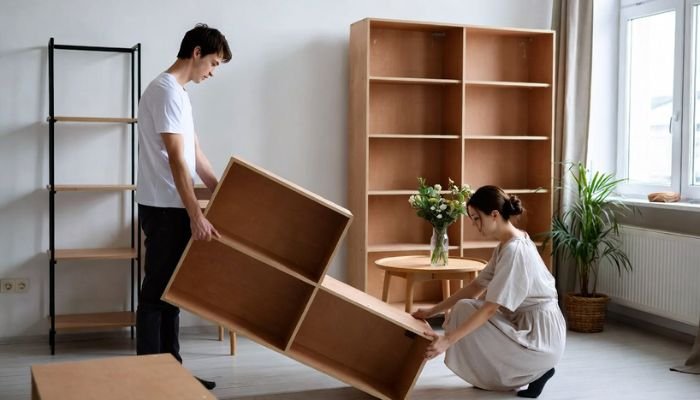
Here’s where small living room layouts truly shine: multi-functional pieces work absolute wonders. Ultimately, storage ottomans serve double duty as seating and hidden storage. Additionally, nesting tables offer flexibility—they can be separated when you need space or combined for traditional functionality. Meanwhile, murphy beds or sofa beds transform your living room into a guest sleeping area without permanent sacrifice.
Also worth considering are entertainment units with built-in storage that maximize vertical space. In addition, console tables work beautifully behind sofas as both storage and styling opportunities. Furthermore, wall-mounted shelving provides display and organization without consuming floor space. Overall, prioritizing multi-functional pieces fundamentally changes your small living room layouts from basic to brilliant.
Vertical Space: The Game-Changer for Compact Living
Consequently, one of the most overlooked opportunities in small living room layouts involves going vertical. Admittedly, most people focus exclusively on floor space while ignoring valuable wall real estate. To illustrate, tall bookcases draw eyes upward and create the illusion of higher ceilings. Furthermore, mounting your television on the wall saves significant floor space compared to traditional stands. Similarly, floating shelves above seating areas provide storage without bulk. In contrast, hanging plants and wall art add personality without consuming room.
Therefore, by utilizing your walls effectively, small living room layouts suddenly feel more spacious. As a result, this vertical thinking transforms your approach to organization and decoration entirely. Essentially, walls become your allies in creating functional, visually appealing spaces that defy their compact dimensions.
Maximizing Wall Storage Solutions
Wall storage represents the ultimate solution for small living room layouts because it addresses the storage paradox—you need space for items but can’t afford square footage. For instance:
- Floating shelves – Display decorative items while storing books and essentials
- Wall-mounted cabinets – Hide clutter while maintaining a clean aesthetic
- Pegboards – Organize and display items with creative flexibility
- Corner shelving – Utilize awkward corners that waste precious square footage
- Vertical baskets – Stack storage solutions without creating visual chaos
Moreover, these wall solutions keep your small living room layouts uncluttered at floor level, which psychologically makes spaces feel larger.
Color and Lighting: Psychological Multipliers for Small Living Room Layouts
Beyond physical furniture arrangement, color and lighting dramatically influence how spacious your small living room layouts feel. Undoubtedly, lighter neutral tones on walls create an airy backdrop that doesn’t overwhelm small spaces. On the other hand, dark accents in artwork or accessories add depth without consuming visual space. Meanwhile, layered lighting—overhead, task, and ambient—creates dimension that makes rooms feel intentionally designed rather than cramped.
Additionally, mirrors strategically placed opposite windows bounce natural light and create depth illusions. Clearly, these design elements work in concert with furniture placement to optimize your space. Therefore, consider your color palette and lighting scheme as essential tools alongside furniture selection. In fact, many designers argue that lighting affects perception more significantly than any single furniture piece.
Layout Configurations That Actually Work
Let’s talk specifics about small living room layouts that consistently perform well in compact spaces. To illustrate, the angled arrangement places your sofa at 45 degrees to the corner rather than parallel to walls. This unexpected configuration somehow makes rooms feel less boxy and more intentional. Alternatively, the L-shaped layout works brilliantly for defining living and dining zones in open-concept apartments. Furthermore, the conversation cluster arrangement positions seating in a tight circle, perfect for intimate gatherings. Meanwhile, the gallery wall layout anchors one wall with art and shelving, leaving other walls open and airy. Additionally, each configuration serves different lifestyle needs. For example:
- Corner configurations – Maximize wall space utilization
- Floating arrangements – Create defined living zones
- Linear layouts – Work well in narrow rooms
- Diagonal placements – Add visual interest and break monotony
Consequently, experiment with these proven small living room layouts to discover what works best for your specific dimensions and lifestyle.
Smart Furniture Selection for Compact Dimensions
When shopping for furniture specifically designed for small living room layouts, prioritize pieces with legs rather than skirted bases. This design choice creates visual space underneath, making furniture appear lighter and less substantial. Furthermore, compact scale sofas without oversized arms maximize seating while minimizing footprint. Additionally, glass or metal furnishings feel less visually heavy than solid wood pieces.
Subsequently, armless chairs or poufs provide flexible seating without bulk. Moreover, storage beds with drawers underneath eliminate the need for additional bedroom furniture. In contrast to traditional approaches, these selections work brilliantly within small living room layouts. Therefore, thoughtful furniture selection sets the foundation for successful space management. Ultimately, each piece should earn its place through either function, beauty, or preferably both.
Decluttering: The Foundation of Spacious-Feeling Small Living Room Layouts
Significantly, no layout strategy overcomes clutter’s negative effects on small spaces. To clarify, decluttering isn’t about deprivation—it’s about intentionality. First and foremost, evaluate every item: does it serve a purpose or bring joy? Furthermore, hidden storage solves the visibility problem without requiring new square footage. Meanwhile, rotating seasonal décor prevents constant visual clutter.
Additionally, designating specific homes for items prevents accumulation. Admittedly, this requires ongoing effort, yet the payoff transforms your small living room layouts. Moreover, studies show that organized spaces reduce stress and increase perceived spaciousness. Therefore, before rearranging furniture, consider what stays versus what goes. Essentially, a well-edited small living room layouts feel infinitely more luxurious than an overstuffed spacious one.
Creating Zones Within Small Living Room Layouts
Open-concept living demands creative zoning within small living room layouts. Consequently, area rugs define separate functional zones without walls. Additionally, low bookshelves create visual boundaries while maintaining sightlines. Furthermore, lighting changes between areas psychologically separate spaces. Meanwhile, furniture arrangement itself creates natural divisions between living and sleeping or working areas.
Moreover, this zoning approach works beautifully for studios and one-bedroom apartments. For instance, positioning your sofa to face away from your bed creates psychological separation despite physical proximity. Therefore, thoughtful zoning transforms multifunctional spaces into distinct areas. In summary, your small living room layouts can serve multiple purposes when zones are clearly defined.
Professional Resources and Inspiration
For those seeking expert guidance on small living room layouts, several resources prove invaluable. Indeed, interior design websites offer countless small living room layouts examples with measurements. Additionally, furniture retailers often provide space planning tools on their sites. Furthermore, the Swedish furniture giant IKEA specializes in small-space solutions and provides room planning services. Meanwhile, Houzz offers thousands of small living room layouts examples organized by style and dimension. Moreover, consulting Brazilian interior design resources provides culturally relevant solutions for your climate and lifestyle. Importantly, these resources combine inspiration with practical guidance for implementing small living room layouts successfully.
Final Thoughts on Small Living Room Layouts
Small living room layouts represent opportunities rather than limitations. Undoubtedly, thoughtful design proves more valuable than square footage. In addition, the strategies explored throughout this guide apply universally across different sizes and styles. Furthermore, your space reflects your creativity and intentionality. Consequently, embrace your compact living situation as a chance to live more thoughtfully. Meanwhile, remember that perfect layouts evolve through experimentation. Most importantly, your small living room layouts should work for your lifestyle, not against it.
Reader Engagement Questions
What’s your biggest challenge with your current small living room layouts? Are you struggling with furniture arrangement, storage, or defining zones? Share your specific situation in the comments below—our community loves solving these puzzles together! Additionally, what small living room layouts solutions have worked unexpectedly well in your space?
Frequently Asked Questions
Q: What’s the best sofa size for small living room layouts? A: Look for pieces under 72 inches wide with clean lines and legs visible underneath. Avoid sectionals unless your space genuinely requires them.
Q: How do I make my small living room layouts feel less cramped? A: Combine lighter paint colors, strategic lighting, mirrors, and vertical storage. These elements work together to enhance perceived spaciousness.
Q: Can I fit a dining area into my small living room layouts? A: Absolutely! Use a narrow console table or fold-down option that transforms between dining and workspace functionality.
Q: What furniture should I prioritize for small living room layouts? A: Prioritize a quality sofa, storage solutions, and appropriate lighting. These foundational pieces create functional small living room layouts.
Your Next Step
Ready to transform your space? Explore our complete design resource center for additional inspiration, shopping guides, and professional consultations. Don’t let square footage limit your style! Navigate our site to discover countless small living room layouts solutions tailored to your unique needs. Start your transformation today and create the inviting, efficient living space you deserve.