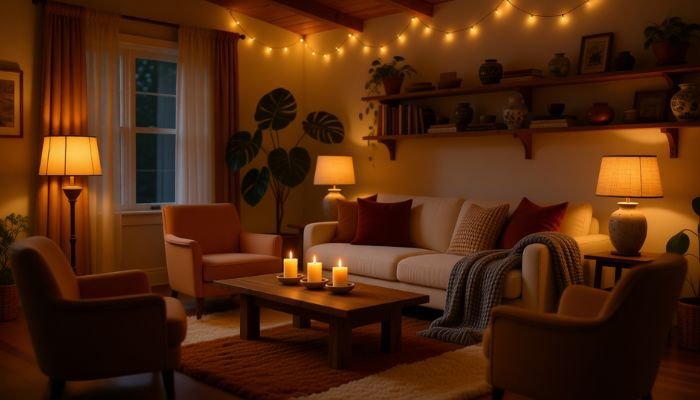
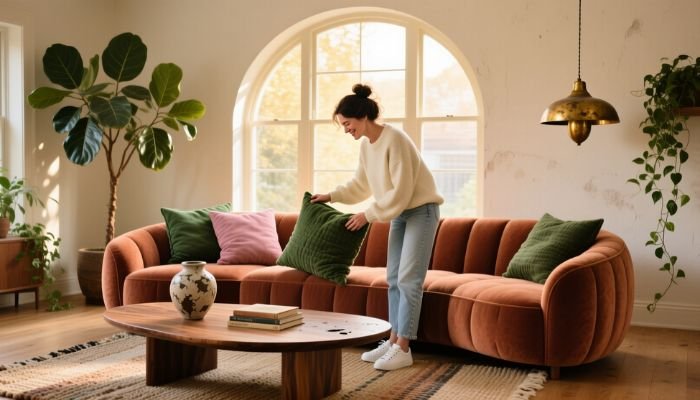
When it comes to creating a comfortable home environment, the living room stands as the heart of family life. Therefore, understanding the best living room layouts for families becomes essential for anyone looking to balance functionality with aesthetic appeal. Whether you’re starting fresh or reimagining your current space, this comprehensive guide will walk you through practical strategies to maximize your family’s comfort while maintaining a stylish atmosphere.
The living room serves as a multifunctional hub where families gather for movie nights, homework sessions, playtime, and casual conversations. Subsequently, choosing the right layout can significantly impact how your family interacts with the space. Moreover, a well-planned living room layout ensures that everyone has their place without compromising on style or comfort.

Understanding Your Family’s Unique Needs and Space Constraints
Before diving into specific layouts, first consider your family’s lifestyle and daily routines. Are you homeschooling? Do you have young children who need open play areas? Furthermore, do teenagers need quiet corners for studying? Additionally, understanding these dynamics helps you determine what the best living room layouts for families should include.
Start by measuring your space accurately. Essentially, knowing your room’s dimensions, window placements, and traffic flow patterns creates a foundation for your design. Next, identify any architectural features like fireplaces, built-in shelves, or awkward corners that might influence your furniture arrangement. Consequently, these elements often become focal points around which you’ll build your layout.
Key considerations for your family’s space:
- Traffic patterns and flow between rooms
- Amount of natural light available
- Number and age of family members
- Storage requirements for toys and essentials
- Technology needs for entertainment systems
The Open Plan Layout: Maximizing Connectivity and Sight Lines
The open-plan living room layout has revolutionized how families interact in their homes. Particularly, this approach works wonderfully for modern families who prefer connection over isolation. In essence, the best living room layouts for families often incorporate open planning to facilitate supervision of younger children while maintaining sightlines throughout the space.
However, creating effective open-plan layouts requires strategic furniture placement. Rather than pushing all seating against walls, consider floating furniture to define distinct zones. Therefore, a sofa positioned toward the center of the room can create a cozy conversation area while still maintaining visibility. Additionally, area rugs help delineate different functional zones naturally without requiring physical barriers.
This layout particularly benefits families with multiple age groups. For instance, toddlers can play safely on one side while older children work on homework nearby. Remarkably, parents can supervise both areas simultaneously. Accordingly, consider incorporating modular furniture that adapts as your family’s needs evolve over time.
The Activity-Based Zone Layout: Creating Functional Spaces Within One Room
Today’s families juggle numerous activities simultaneously, which demands creative spatial solutions. Therefore, dividing your living room into distinct zones makes perfect sense. For instance, the best living room layouts for families often feature a media zone, reading nook, play area, and conversation space all working harmoniously together.
Start by identifying the primary activities your family needs. Subsequently, allocate specific areas for each function. To illustrate, place your entertainment center on one wall, leaving space for comfortable viewing from multiple seating positions. Meanwhile, establish a reading corner near windows for natural light. Ultimately, these zones can share transitional elements like ottomans or side tables for flexibility.
The beauty of zone-based layouts lies in their adaptability. As your children grow, you can easily reconfigure zones to accommodate changing needs. For example, a play area transforms into a study space as kids age. Furthermore, this approach maintains visual interest throughout the room while keeping everything organized and purposeful.
Activity zones to consider:
- Entertainment and TV viewing area
- Reading and relaxation corner
- Creative play or homework station
- Conversation seating arrangement
- Gaming or interactive entertainment zone
Creating the Perfect Conversation Arrangement: Furniture Placement Strategies
The conversation area forms the social backbone of any living room. Subsequently, arranging furniture to facilitate face-to-face interaction matters tremendously. Therefore, consider arranging seating in an L-shape or U-shape configuration rather than having everything face the television. Moreover, this creates multiple sight lines where family members can connect naturally.
When selecting pieces for the best living room layouts for families, prioritize comfort and durability over trends alone. Besides that, investing in stain-resistant fabrics proves essential with children in the home. Additionally, consider furniture with clean lines and sturdy construction to withstand family life. In turn, neutral base colors allow flexibility for seasonal updates and style changes.
Ottomans and side tables serve double duty in family living rooms. Evidently, they provide extra seating when needed while offering surfaces for drinks and activities. Accordingly, choose pieces with hidden storage capabilities to minimize visible clutter. As a result, your living room maintains a sophisticated appearance while accommodating family necessities.
Incorporating Storage Solutions: Keeping Clutter at Bay
Naturally, families accumulate toys, books, blankets, and entertainment supplies. Therefore, incorporating intelligent storage solutions prevents your living room from becoming overwhelming. Importantly, the best living room layouts for families must address storage needs without sacrificing style or space.
Built-in shelving offers both storage and display opportunities. To clarify, you can showcase family photos and decorative items while organizing everyday essentials behind cabinet doors. Meanwhile, baskets and bins tucked under side tables create hidden storage for toys and blankets. Consequently, the room appears organized and serene while accommodating all necessary items.
Consider furniture that doubles as storage, such as entertainment centers with drawers, coffee tables with shelves, or storage benches. Thereby, every piece earns its place in your layout. Furthermore, vertical storage solutions utilize wall space efficiently, keeping floor areas open for movement and play.
Balancing Style With Practicality: Design Tips for Family Spaces
Creating a stylish living room doesn’t mean sacrificing functionality. Rather, thoughtful design choices enhance both aspects simultaneously. Therefore, start with a cohesive color palette that feels calming and sophisticated. In addition, neutral backgrounds allow artwork and family photos to become focal points.
Layer your lighting with multiple sources including overhead fixtures, table lamps, and task lighting. Particularly, this flexibility allows you to adjust ambiance based on activities and times of day. Likewise, adequate lighting prevents shadowy corners and improves visibility for safety and comfort.
Incorporate natural elements through wood furniture, plants, and natural fibers. As a result, your space feels warm and inviting. Besides this, natural materials age beautifully with family living, often developing character and charm over time. Therefore, they’re practical choices for busy households seeking lasting style.
Design strategies for functional elegance:
- Use large-scale artwork to create visual interest
- Add texture through pillows, rugs, and throws
- Incorporate plants for color and air quality
- Choose lighting that adapts to different moods
- Display family photos in coordinated frames
Technology Integration: Modern Family Living Room Essentials
Today’s families require seamless technology integration in their living spaces. Accordingly, cable management becomes crucial in the best living room layouts for families. Essentially, hiding wires and cables maintains visual cleanliness while preventing safety hazards.
Strategically place entertainment centers to accommodate modern devices without overwhelming the room. Furthermore, consider concealing cables within wall-mounted shelving or furniture with built-in cable organizers. Meanwhile, charging stations near seating areas eliminate clutter from extension cords.
Smart home technology offers additional benefits for family spaces. To illustrate, automated lighting and temperature controls create comfort while reducing energy consumption. However, ensure that technology enhances rather than dominates your living room. Consequently, maintain spaces where families can gather without screens as counterpoints.
Real-Life Application: Family Success Stories and Transformations
Understanding theoretical principles helps, but seeing practical applications provides genuine inspiration. Therefore, observing how other families successfully implemented the best living room layouts for families offers valuable insights. Subsequently, consider these common scenarios and solutions.
A family with three children discovered that floating furniture created supervision opportunities while maintaining style. Moreover, they implemented color-coded storage baskets for each child’s belongings, creating organization without appearing chaotic. Additionally, installing floating shelves above their sofa allowed displaying cherished items and photo collections.
Another family transformed their space by removing their television from center stage. Instead, they created a substantial reading area near windows. Conversely, their entertainment system now occupies a side wall, allowing conversation to take precedence. As a result, family interactions deepened significantly.
Creating Your Action Plan: Steps to Implement Your New Layout
Begin your transformation by assessing your current situation thoroughly. First, document existing furniture, measurements, and architectural features. Subsequently, sketch different layout options on paper or use digital planning tools. Ultimately, experimenting virtually prevents costly mistakes before purchasing or moving furniture.
Consider implementing changes gradually rather than all at once. Therefore, start with furniture arrangement using existing pieces. Meanwhile, add storage solutions phase by phase. Furthermore, this approach allows budgeting across time while adapting as you identify actual needs.
Finally, remember that perfection matters less than functionality and family happiness. Hence, allow your living room to evolve as your family grows and changes. Accordingly, the best layout remains one that serves your unique family’s needs beautifully.
Frequently Asked Questions About Family Living Room Layouts
What’s the ideal furniture arrangement for small living rooms? For compact spaces, consider floating furniture to maximize floor visibility. Subsequently, vertical storage becomes essential. Moreover, light colors and minimal patterns prevent spaces from feeling cramped. Additionally, multifunctional furniture serves double duty efficiently.
How can I make my living room work for multiple activities simultaneously? Zone your space strategically using rugs, furniture placement, and lighting. Therefore, each zone can accommodate different activities without visual chaos. Furthermore, ensure adequate seating throughout to support various ages and abilities.
What furniture should I prioritize for a family living room? Start with durable, stain-resistant seating that accommodates your entire family. Subsequently, add storage solutions before decorative pieces. Consequently, functional items create the foundation for a livable, beautiful space.
How do I manage technology and screen time in the living room? Create alternative focal points beyond the television. Therefore, encourage board games, reading areas, and conversation spaces. Furthermore, establishing screen-time boundaries helps families develop healthier media habits.
Transform Your Family Living Room Today
Are you ready to create a living room that truly serves your family’s needs? Therefore, explore our comprehensive home design resources and inspiration galleries on our website. Moreover, navigate through our site to discover more expert tips for transforming every room in your home. Subsequently, implement the best living room layouts for families tailored specifically to your unique situation. Additionally, visit www.casaeestilo.com.br for Brazilian home design inspiration and professional guidance on creating functional, beautiful family spaces that everyone will love.